Discover the Timeless Appeal of Men's Fedora Hats
Men's fedora hats have historically been recognized as a hallmark of class and distinction. Their iconic design delivers flexibility, rendering them appropriate for a wide range of events. As fashion trends evolve, the fedora consistently draws interest in both timeless and current fashion circles. Exploring its lasting allure can illuminate its role in today's wardrobes. What qualities make the fedora a perennially stylish choice? The result could astound those who value enduring elegance.
Choosing the Right Fedora for Your Style
When choosing the perfect fedora, how does one determine which style works best with their wardrobe? The answer rests in understanding the interplay between personal style and overall outfit composition. A fedora's form, fabric, and hue should harmonize with current wardrobe selections. For instance, a traditional wool fedora would pair well with a well-fitted suit, while a straw variation could elevate a laid-back warm-weather look.
Face shape is another crucial factor to consider; a broader brim helps to soften sharp facial angles, as a narrower brim can draw attention to sharper features. Furthermore, the event itself is an important consideration. Rich, deep hues are generally preferred for formal settings, whereas lighter shades and patterns may be ideal for relaxed settings. Ultimately, the perfect fedora transcends its role as an accessory and becomes a key component of any look, expressing the distinct taste and identity of its wearer.
Browse Legendary Fedora Styles: From Heritage to Contemporary
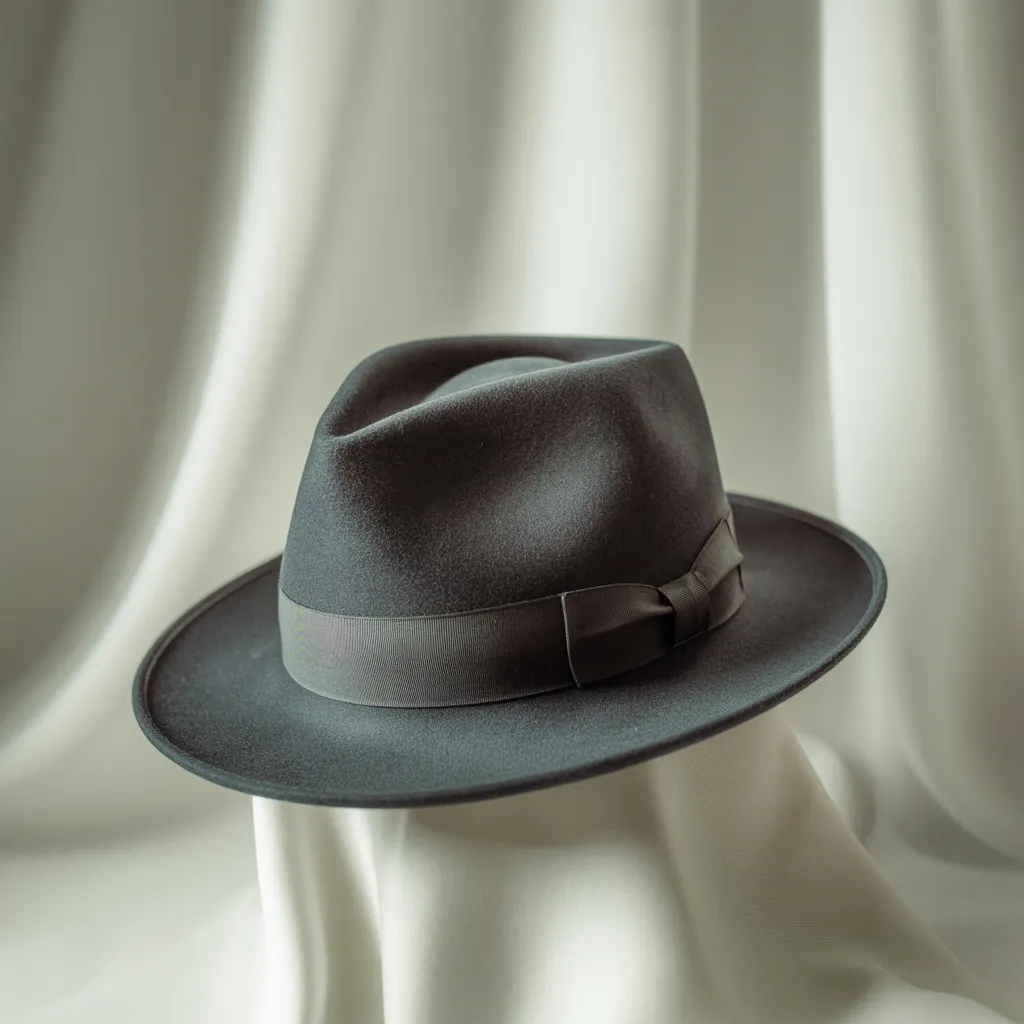
Fedora hats have historically been a hallmark of fashion and sophistication, presenting a wide variety of styles that cater to various tastes and occasions. The classic fedora, defined by its flexible brim and creased crown, evokes a timeless elegance, often associated with iconic figures from the mid-20th century. Its felt construction adds a degree of formality, establishing it as a go-to accessory for formal gatherings.
By comparison, current approaches have unveiled creative materials and concepts, appealing to a contemporary crowd. Straw-woven fedoras, as an illustration, deliver a light and airy choice ideal for warm-weather excursions, while striking tones and motifs allow for self-expression. Moreover, features such as broader brims and distinctive accents have appeared, providing an distinctive interpretation of the classic silhouette. Regardless of whether one prefers the timeless or the trendy, the fedora stands as a adaptable accessory that effortlessly enhances any wardrobe.
How to Style Your Fedora: Building Confidence
What is the best way to upgrade your style with a fedora? The answer involves learning how to complement this iconic accessory with a range of looks. A fedora can enhance both casual and formal looks, making it a versatile choice. To radiate confidence, one should opt for a fedora that flatters their face shape and unique sense of style. Combining it with well-fitted garments, like a blazer or a neat button-up shirt, can achieve a refined look, while jeans and a casual tee can offer a laid-back feel.
Accessories are important too; a pocket square or elegant watch can finish the look. The way the fedora is worn also influences its impact—tilting it slightly can add an air of sophistication. In the end, true confidence stems from wearing the hat boldly, allowing it to serve as a signature piece that expresses uniqueness. Embracing the fedora can transform not just an outfit, but also the wearer's self-assurance.
Caring for Your Fedora Hat: Maintenance and Storage Tips
Caring for a fedora hat is crucial to preserve its elegance and lifespan. Routine cleaning methods, proper storage practices, and understanding of harmful factors are important for maintaining its condition. By applying these upkeep suggestions, hat owners can guarantee their fedoras remain in excellent condition for years to come.
Routine Cleaning Practices
Preserving the pristine look of a fedora hat requires routine cleaning methods that preserve its texture and structure. To start, a soft-bristle brush is important for removing dust and debris from the surface of the hat. Light circular strokes can help preserve the material's quality. For blemishes, a slightly wet cloth with light soap should be employed, ensuring not to saturate the textile. It is wise to apply any cleaning agent on a hidden, small section first. Moreover, periodic professional cleaning can help maintain the fedora's condition and lifespan. Regularly checking for unraveling threads or deteriorated spots will enable prompt restoration, guaranteeing the hat stays a elegant addition for many years ahead.
Correct Storage Methods
Appropriate storage methods are vital to keeping a men's fedora hat in excellent shape and condition. To maintain its integrity, it is crucial to store the hat in a cool, dry place, away from direct sunlight, which can cause fading and warping. Using a hat box or a specific shelf helps avoid unwanted stress on the brim and crown. For storage purposes, positioning the hat upside down on a flat surface preserves its shape. Avoid hanging the fedora, as this can distort its structure. Periodically inspecting for dust buildup and carefully cleaning with a soft brush will help ensure lasting durability. Implementing these habits will keep the fedora in pristine, fashionable condition for many years to come.
Minimizing Damage Factors
A well-cared-for fedora hat can endure for many years, but a number of elements can lead to deterioration if not addressed. Contact with moisture and harsh temperatures can warp the hat's shape and deteriorate the material. Prolonged sun exposure can lead to discoloration, while careless handling may result in unwanted creases or dents. Furthermore, accumulation of dust and dirt can deteriorate the material's quality, making routine cleaning essential. To mitigate these risks, it is crucial to keep the fedora in a cool and dry environment, protected from harsh sunlight. Routinely wiping the hat with a soft cloth and keeping it in a proper hatbox can considerably increase its durability. By taking these precautions, individuals can protect the integrity and look of their prized fedora.
The Enduring History of Fedora Hats
The fedora hat, an emblem of enduring style and refinement, has a storied past stretching back to the late 1800s. Originally introduced in 1889, it achieved widespread recognition through its portrayal in the play "Fédora" by Victorien Sardou, which showcased a stylish female protagonist donning the hat. Originally designed as a women's fashion piece, the fedora transitioned into menswear by the dawn of the 20th century, establishing itself as an emblem of distinguished gentlemen and the fashionable upper class.
During the 1920s and 1930s, the fedora emerged as a fixture in men's fashion, commonly connected to detectives, Hollywood icons, and gangsters. Its construction, featuring a soft brim and a creased crown, provided both style and practicality. Throughout the decades, the fedora has seen various reinterpretations, while its enduring allure has never faded. This enduring history solidifies the fedora's status as a timeless accessory, rising above passing fashions and shifting cultural landscapes.
How Fedora Hats Are Coming Back in Style Today
In recent times, a noticeable resurgence in the popularity of fedora hats has fascinated style lovers and trendsetters alike. This iconic style piece, formerly associated with mid-century elegance, is being revitalized in contemporary style. Leading designers are embracing fedoras within their seasonal collections, displaying them in diverse fabrics and color palettes, making them versatile for both casual and formal occasions.
Social media platforms, particularly Instagram and TikTok, have had a major impact in bringing back this trend. Influencers are often seen matching fedoras with current fashion trends, showcasing their versatility and enduring appeal. Celebrities, too, have embraced the trend, reinforcing the fedora's position as a stylish must-have accessory.
Because of this, men are increasingly opting for fedoras to express their individuality, blending tradition with modern aesthetics. This growing enthusiasm highlights the hat's lasting allure, confirming that the fedora remains a staple accessory in the constantly changing world of men's style.
Questions We Often Receive
Is It Okay for Women to Wear Men's Fedora Hats?
Absolutely, women can sport men's fedora hats. Fashion transcends gender boundaries, enabling individuals to showcase their personal style. A great number of women value the classic appeal and adaptability of men's fedoras, blending them seamlessly into their individual looks.
Which Materials Work Best for Fedora Hats?
Fedoras are commonly made from wool, felt, straw, or cashmere. Wool and felt deliver both warmth and durability, while straw ensures superior airflow and breathability. Cashmere brings a touch of opulence, making it ideal for those who desire both elegance and comfort in their headwear.
How Do I Measure My Head for a Fedora?
To measure head size for a fedora, utilize a soft measuring tape across the forehead, just above the ears, and directly above the occipital bone at the rear. Write down the measurement in inches or centimeters explore now to determine your size.
Are Fedora Hats Appropriate for Formal Occasions?
Fedora hats are truly well-suited for formal settings, adding an elegant accent to any outfit. Their refined design pairs well with a variety of ensembles, making them an ideal option for occasions spanning from weddings to prestigious events.
What Are the Differences Between a Fedora and a Trilby?
The main distinction between a fedora and a trilby can be found in their brims; fedoras sport a fuller, gentler brim, while trilbys have a slimmer, tilted brim, providing them with a more modern, stylish appearance.